The British Traveller's Guide to Passport Requirements for the Various Caribbean Islands
As soon as the plane door opens, the warm, sweet scent of the Caribbean welcomes you. In Saint Lucia, the mountains rise straight from the sea and appear through low cloud. In Barbados, palm trees lean towards turquoise water that looks brighter than it did in the brochure. After months of grey mornings and crowded commutes, this is what you've been waiting for.
Yet for thousands of British travellers, the holiday almost ends before it begins. Not because they forgot their passport, but because they believed a blanket rule that isn't always true. Everybody talks about the Caribbean's "six-month passport rule" as though every island follows it. The reality is far more interesting and, for many UK travellers, far more forgiving. In destinations including Jamaica, Barbados, Saint Lucia, and Curaçao, your passport only needs to remain valid for the length of your stay.
That said, entry requirements can change at short notice, so always check the latest Foreign, Commonwealth & Development Office (FCDO) travel advice on GOV.UK before you travel.
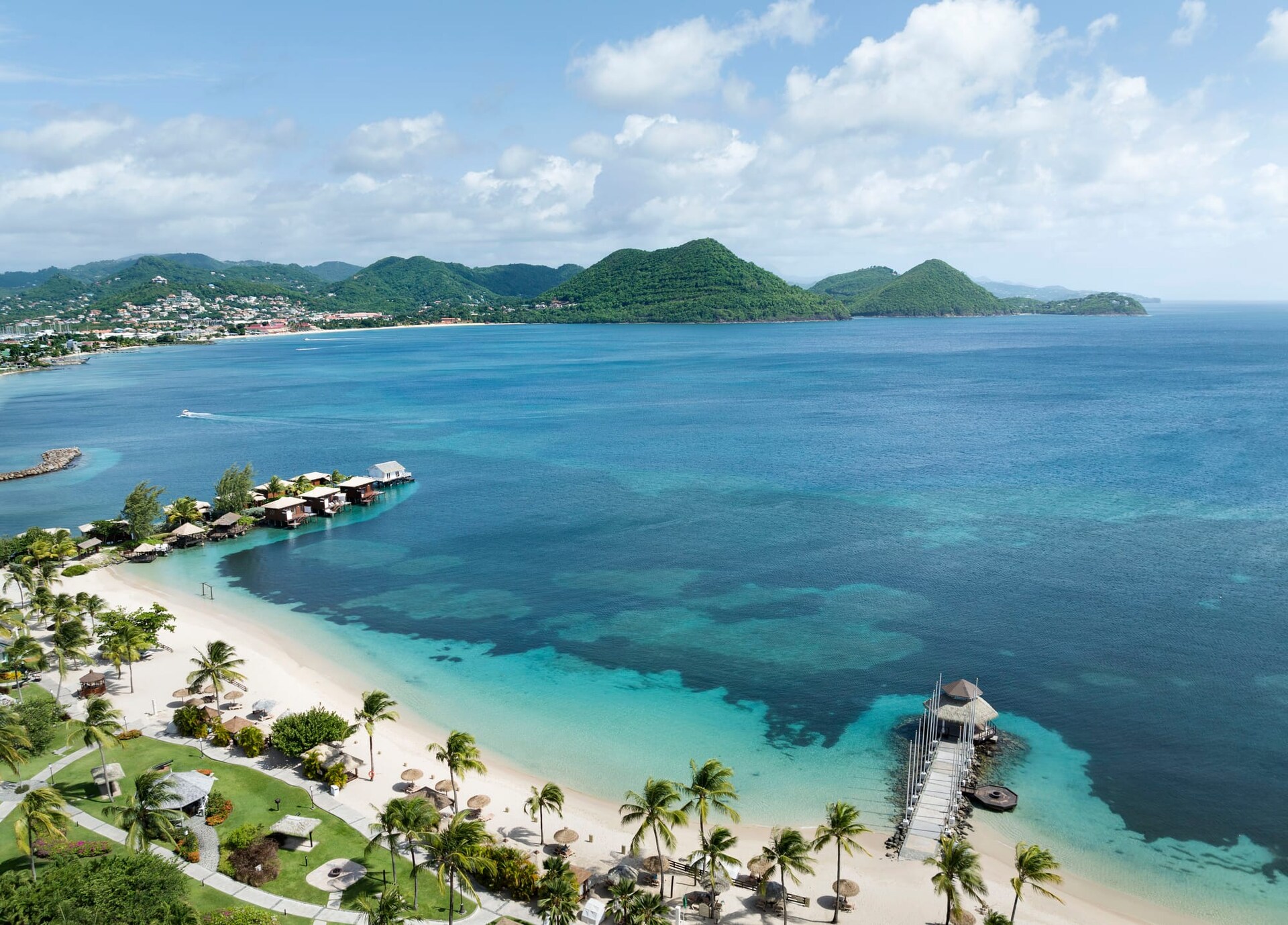
Picture: Admire the view of the mountains rising from the ocean on the beach at Sandals Grande St. Lucian.
Do You Need a Passport to Go to the Caribbean?
Yes. British travellers need a valid passport to visit every Caribbean island. However, not every destination requires six months of passport validity. Jamaica, Barbados, Saint Lucia, and Curaçao generally only require your passport to remain valid for the duration of your stay, while destinations such as Antigua and Barbuda, Grenada, Saint Vincent and the Grenadines, and the Bahamas have stricter requirements.
If your passport is running low on validity, that could make destinations such as Saint Lucia or Jamaica a smarter choice than Antigua. With Sandals Resorts, you can choose from resorts across multiple Caribbean islands, making it easier to find a destination that works with both your travel dreams and your passport's expiry date. Unlike booking a non-refundable holiday before checking entry requirements, choosing the right island from the outset means less stress and more time looking forward to the beach.
- Passport required: Every Caribbean island requires a full British passport for entry.
- Most flexible passport rules: Jamaica, Barbados, Saint Lucia, and Curaçao only require validity for the duration of your stay.
- Biggest mistake: Assuming every Caribbean island follows the same six-month passport rule.
Do You Need Six Months on Your Passport for the Caribbean? It Depends on the Island
If you hold a British passport, you need it for every single Caribbean island. There is no Caribbean equivalent of flying within Europe on an ID card, and there is no shortcut using a driving licence or any other form of identification. Whether you're heading for a week on a white-sand beach in Antigua or two weeks exploring Barbados and Saint Lucia, your passport is essential.
What differs between islands is the amount of validity remaining on that passport. Most travellers focus on whether they have a passport at all. Immigration officials focus on the expiry date. That date is what determines whether you're allowed to board your flight and enter your destination.
For British couples and families booking direct flights from airports such as London Gatwick, Manchester, or Birmingham, Caribbean destinations broadly fall into two categories. Some islands require six months of validity beyond a specific point in your trip. Others simply require your passport to remain valid for the duration of your holiday.
There is one more important detail. Airlines can apply stricter travel requirements than the destination itself. Even if a country technically allows entry, an airline may refuse boarding if its own systems indicate otherwise. Before travelling, always check both the destination requirements and your airline's guidance.
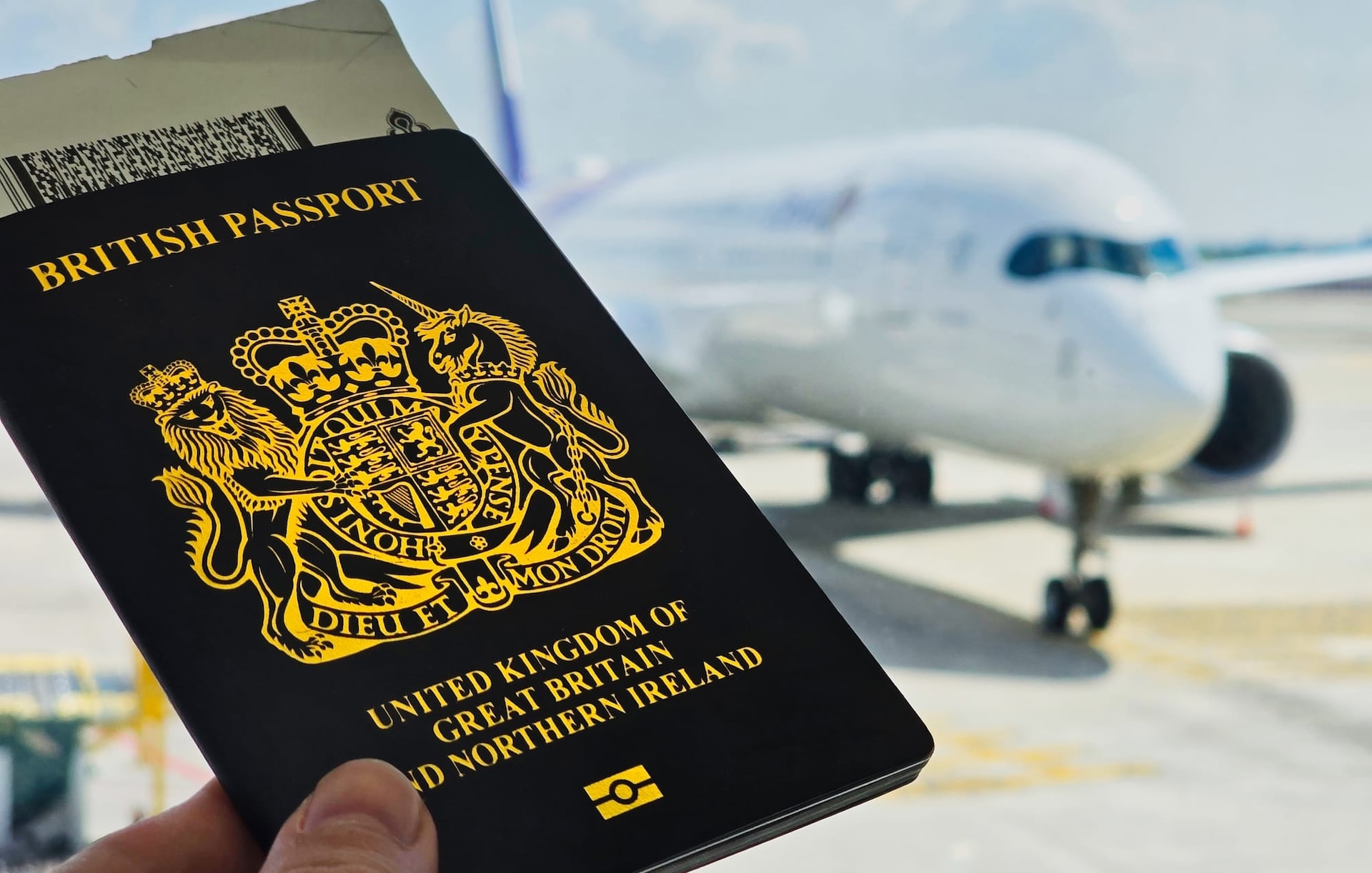
Photo credit: PhotoExpozure UK/Shutterstock.com
Which Caribbean Islands Need Six Months on Your Passport?
This is where the confusion begins. Many travellers assume every Caribbean destination demands six months of passport validity. In reality, the region is split between islands that require substantial validity and islands that simply want your passport to cover your stay.
Islands requiring six months beyond arrival
If you're travelling to any of the following destinations, your passport should have at least six months remaining beyond your arrival date:
- Antigua and Barbuda
- Grenada
- Saint Vincent and the Grenadines
Island requiring six months beyond departure
The Bahamas uses a stricter standard. Your passport should have at least six months remaining beyond the date you plan to leave The Bahamas.
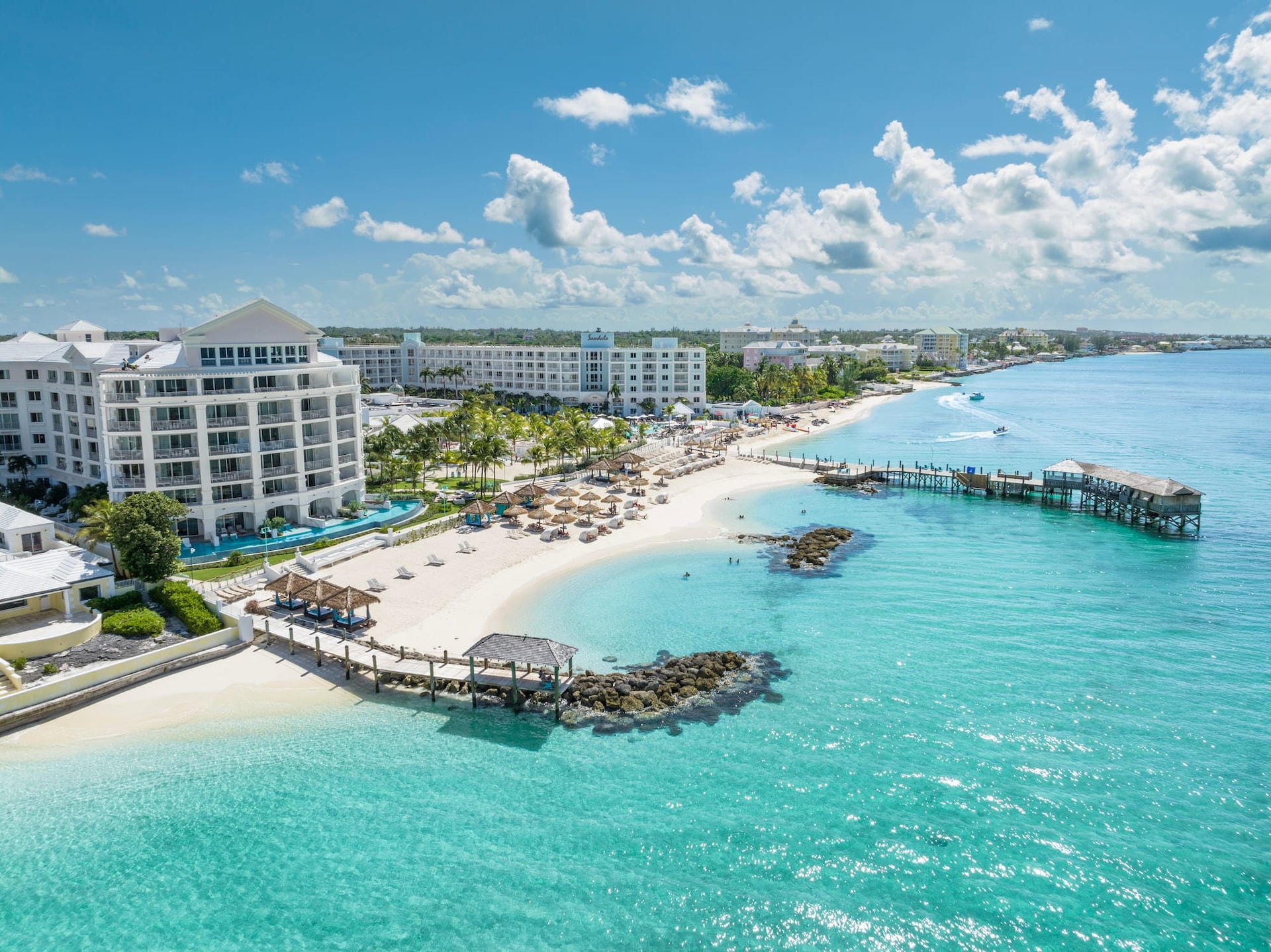
Picture: Enjoy a stay at Sandals Royal Bahamian.
Islands requiring validity for stay only
Several of the Caribbean's most popular destinations have far more relaxed requirements:
- Jamaica
- Barbados
- Saint Lucia
- Curaçao
For these destinations, your passport typically needs to remain valid only for the duration of your visit.
British visitors are generally granted tourist stays on arrival, though the length varies by destination:
- Jamaica: up to 90 days
- Antigua and Barbuda: 90 days
- Grenada: up to three months
- Curaçao: up to 90 days annually
- Saint Lucia: up to six weeks
- Bahamas: typically 30 days initially, with possible extensions
The blanket six-month claim repeated across travel forums and social media simply isn't accurate for every Caribbean destination.
A couple of practical details are also worth remembering. Ensure your passport contains sufficient blank pages for immigration stamps, and check that officials actually stamp your passport on arrival where required. It sounds like a minor detail, but it can cause complications later if your entry isn't properly recorded.
Do You Need a Passport for British Overseas Territories in the Caribbean?
Another misconception is that British citizens can hop into British Overseas Territories on lighter documentation.
Because destinations such as the Cayman Islands or the British Virgin Islands have constitutional links to the United Kingdom, some people assume entry requirements are less formal.
British citizens still need a full passport when travelling to:
- Anguilla
- British Virgin Islands
- Cayman Islands
- Bermuda
- Montserrat
- Turks and Caicos
Each one requires a full British passport from British citizens, valid for the length of your stay, with visa-free entry typically capped at 30 days. The territorial relationship does not remove immigration controls. You'll still pass through border checks, and you'll still need appropriate travel documentation.
The confusion exists because the names feel familiar. Seeing the word "British" attached to a Caribbean destination creates the impression that travel might be closer to a domestic journey. The Cayman Islands in particular gets described as though it were a longer flight to somewhere quite familiar. It is not. Border control there is a border, in every practical sense.
For British travellers, there is no passport-free Caribbean alternative. This differs from the situation for American travellers, who can enter certain US territories such as Puerto Rico and the US Virgin Islands without a passport when travelling domestically. That exception applies to US citizens, not UK travellers.
Photo credit: Thiago B Trevisan/Shutterstock.com
Caribbean Entry Forms: The Travel Requirement More People Forget Than Their Passport
Increasingly, it isn't the passport creating problems, it's the form you forgot to complete. Across the Caribbean, governments have moved customs declarations and immigration paperwork online. The process is faster, cleaner, and more efficient when it works. The challenge is that most systems only open within a specific countdown window before travel which catches people out.
Barbados requires travellers to complete its online immigration and customs form through travelform.gov.bb within 72 hours before arrival. Saint Lucia requires travellers to submit an online form within three days of travel. Curaçao requires its Digital Immigration Card within 48 hours of arrival, including certain transit passengers. Jamaica requires completion of its electronic C5 Immigration and Customs Declaration. Antigua and Barbuda offers ArriveAntigua, available within 72 hours of travel through a mobile device. Although not mandatory, it can significantly speed up arrivals. Saint Kitts and Nevis now requires an electronic travel authorisation (eTA) for air arrivals. Introduced on 26 May 2025, the authorisation costs $17 and remains valid for 90 days.
Most travellers want to organise documents weeks in advance. These systems don't let you. Instead, imagine a countdown clock beginning a few days before departure. That's the moment these forms become available, and that's when you need to act. A simple calendar reminder can save a remarkable amount of stress.
Flying Via the US? You May Need More Than a Passport
If you're travelling through the United States, even for a brief connection, you will generally require ESTA authorisation.
Many British travellers are surprised by this, particularly when they're not planning to leave the airport. Unfortunately, remaining airside doesn't remove the requirement. US transit still requires authorisation under the ESTA programme where applicable. This often affects travellers seeking cheaper fares from regional UK airports. An itinerary routed through Miami, Atlanta, Charlotte, or New York can appear attractive until additional administrative requirements emerge.
If the Bahamas is on your itinerary, the time you spend there after arriving from the USA counts towards the 90 days your ESTA allows. For a fortnight's holiday it makes no practical difference, but for anyone island-hopping over a longer trip, that clock is running in the background.
The key lesson is simple. Don't just check the entry requirements for your final destination. Check every country involved in your journey.
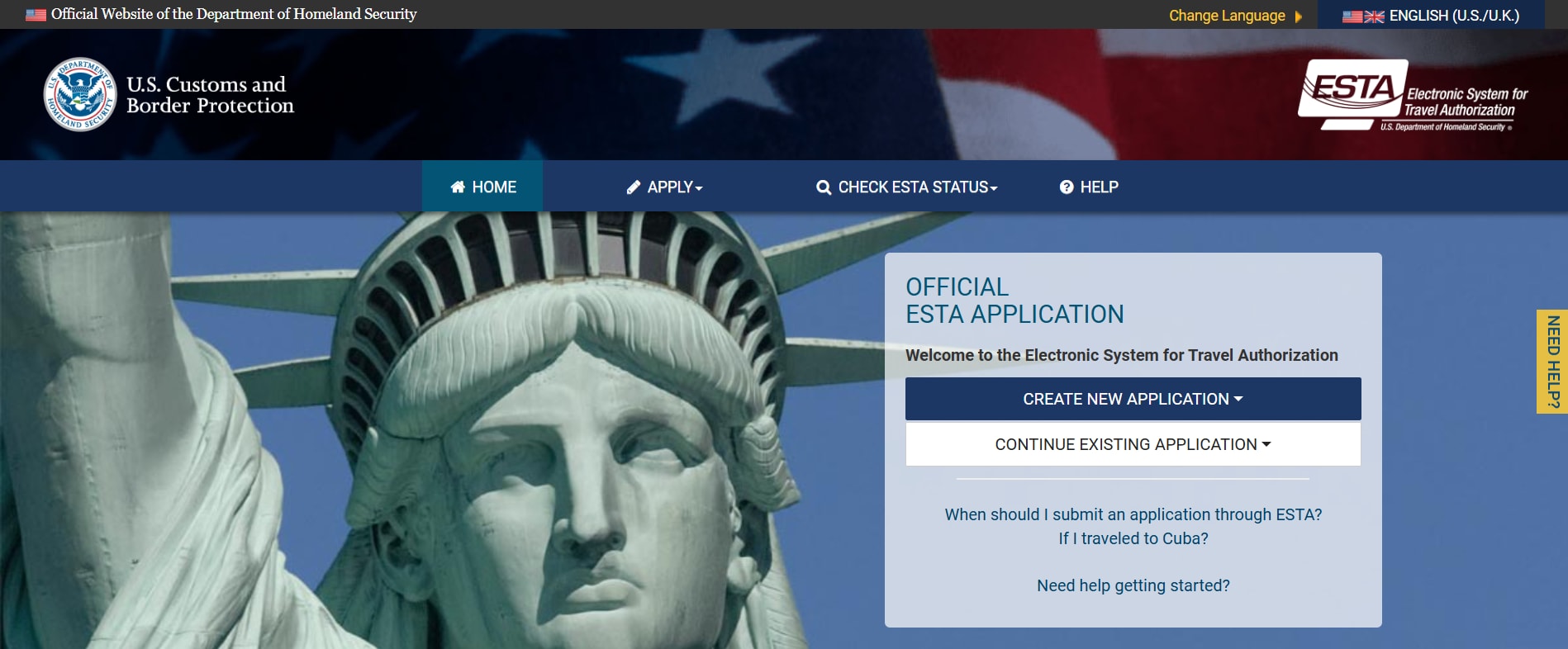
Picture: Apply for an ESTA on the Official ESTA Application Website.
Caribbean Passport Rules for Children: What to Do if Surnames Don't Match
Families face several additional considerations. Every child travelling to the Caribbean needs their own passport, including babies and infants. There are no exceptions.
One issue appears regularly at airport check-in desks: UK child passports only last five years, compared with ten years for adult passports. Families often check the adults' documents and assume everything is in order, only to discover a child's passport expired months earlier.
Documentation becomes even more important when surnames differ. If a child is travelling with one parent, a grandparent, or another accompanying adult, carrying supporting paperwork is sensible. Documents may include:
- Birth certificates
- Consent letters
- Court documentation where relevant
- Contact details for absent parents
Barbados has specific requirements for certain unaccompanied minors, requiring a consent letter signed and sealed by a notary public, naming the adult receiving the child on arrival.
Immigration officers retain discretion. While most family holidays pass through immigration smoothly, extra documentation provides reassurance and helps prevent delays.
Cuba is the One Island That Asks for More Than a Passport
For most Caribbean holidays, the passport is the primary concern. Cuba is different. British visitors typically require a tourist card or eVisa before travelling. Cuba also requires visitors to hold medical insurance, a requirement that has been in place for international arrivals since 2010.
There is one further requirement that occasionally affects Caribbean travellers: yellow fever certificates. Certain destinations (Grenada, Saint Vincent, the Bahamas, and Curaçao) require proof of yellow fever vaccination if you arrive from a country where yellow fever transmission exists. Travellers flying directly from the UK are unlikely to encounter this requirement, but those routing through parts of Africa or South America should verify the rules carefully.
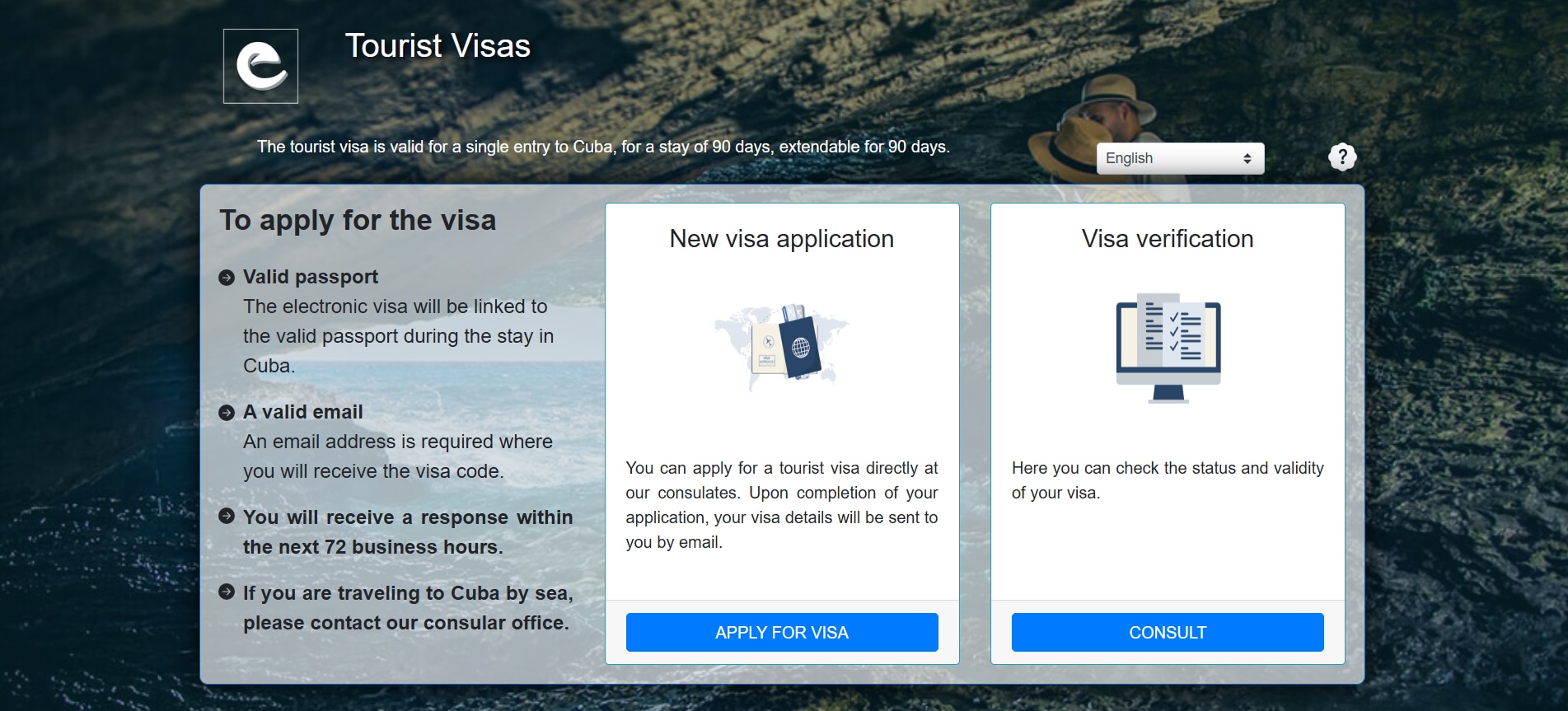
Picture: Apply for an electronic visa through the eVisa-Cuba site.
What to Do if Your Passport Doesn't Meet Caribbean Entry Requirements
Finding a problem early is frustrating. Finding it at check-in is worse. If your passport doesn't meet your destination's validity requirements, begin the renewal process immediately. Avoid booking expensive flights around a passport that needs replacement.
Condition matters too. A passport can fail inspection even if it remains in date. Warning signs include:
- Water damage
- Torn pages
- Detached covers
- Significant wear to the photo page
- Damage affecting readability
Immigration officers and airlines treat physical damage seriously because it can compromise security features.
Emergency Travel Documents provide a fallback option if your passport is lost while abroad. Barbados accepts UK Emergency Travel Documents for entry, transit and exit in certain circumstances, illustrating how widely recognised these documents can be.
Before travelling, create digital and paper copies of important documents. Store copies separately from the originals. If the unexpected happens, you'll be grateful you did.
Caribbean Travel Checklist - What to Check Before You Fly
After enough Caribbean journeys, certain habits become second nature. First, photograph every passport's photo page and store the images securely. Second, check passport validity against the strictest destination on your itinerary rather than the most convenient one. Third, create calendar reminders for every pre-arrival form. Fourth, save return flight confirmations offline. Airport Wi-Fi isn't always reliable, and onward travel proof may be requested. Fifth, check that immigration stamps have actually been applied before leaving the desk. Sixth, buy comprehensive travel insurance with strong medical cover. Tropical sunshine can make it easy to forget how expensive overseas healthcare can be.
Finally, think carefully about flexibility during the Caribbean's wetter months. Rain showers don't stop these islands being beautiful. Standing on a veranda in Barbados while rain taps gently against palm leaves can be magical, but flexible booking terms provide peace of mind if plans change.
One Resort Group, Eight Countries, Eight Different Passport Rules
Sandals Resorts operates 17 adults-only resorts across eight Caribbean countries. That's eight destinations and eight separate sets of entry rules. It's one of the clearest examples of why general Caribbean passport advice can be misleading. A traveller booking Sandals Grande Antigua faces different passport validity requirements from someone booking Sandals Grande St. Lucian, despite both holidays offering warm seas, spectacular beaches, and direct flights from the UK. The difference lies entirely in the destination.
If your passport is approaching expiry, four Sandals destinations currently place fewer demands on remaining validity:
- Jamaica
- Barbados
- Saint Lucia
- Curaçao
That knowledge could be the difference between postponing a holiday and taking one.
The beauty of an all-inclusive holiday is that much of the planning is simplified. Meals, drinks, entertainment, and accommodation are organised before you travel. What isn't organised for you is the entry paperwork. Your passport remains your responsibility. Your pre-arrival forms remain your responsibility. Those few administrative tasks are what stand between your flight and your first glimpse of Caribbean water sparkling beneath the afternoon sun.
Sandals Resorts has been recognised by the World Travel Awards, but even the world's most celebrated resort group can't override immigration requirements. That's why checking passport rules should happen before you fall in love with a destination.
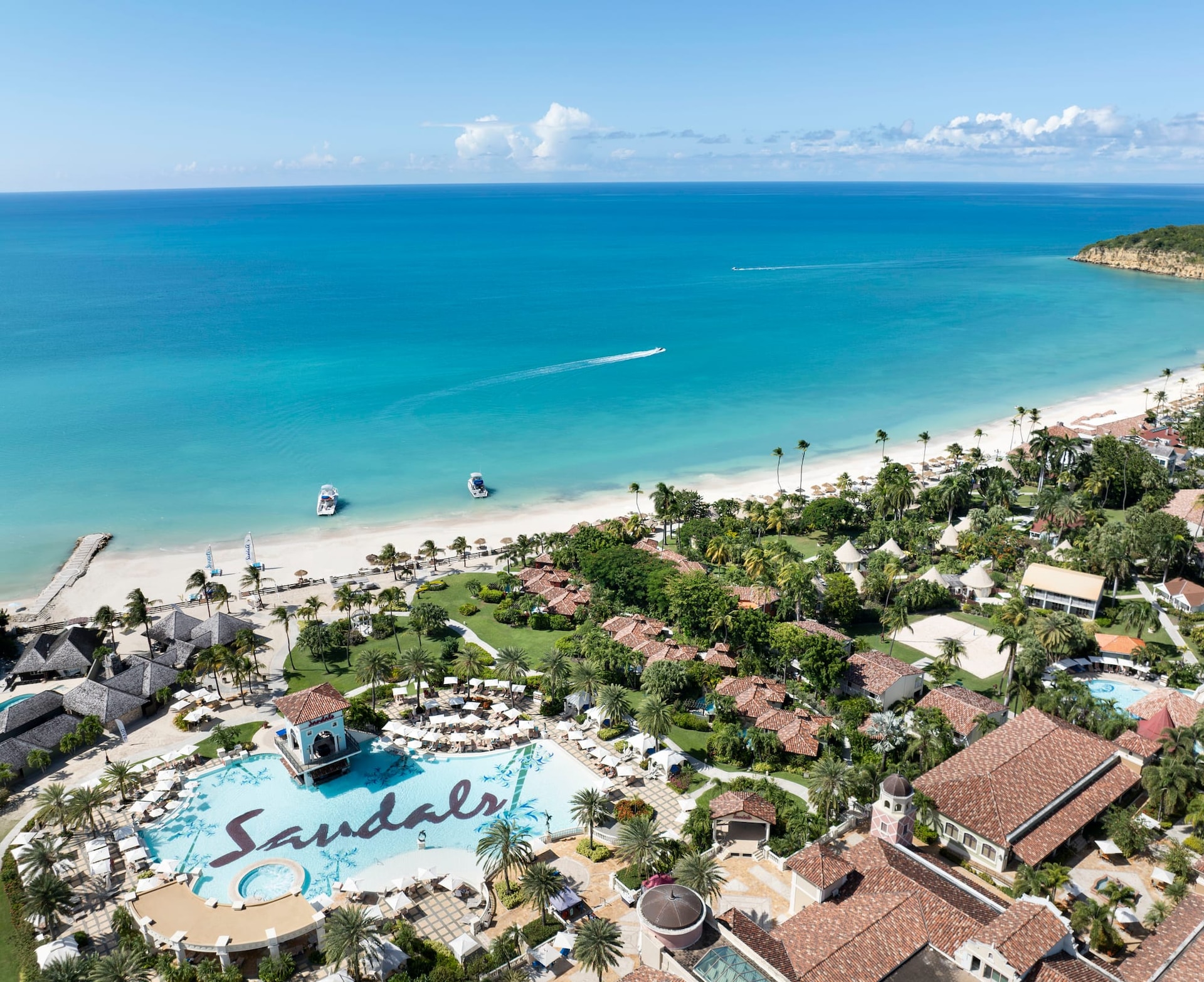
Picture: Enjoy an all-inclusive luxury stay at Sandals Grande Antigua.
Check Your Passport Before You Book Your Caribbean Holiday
So, what Caribbean islands require a passport? All of them. But that isn't the most useful answer. The answer that truly matters is that some Caribbean destinations require six months of passport validity, while others only require enough validity to cover your stay. Understanding that distinction can open up holiday options you thought had disappeared.
Three things catch British travellers out more than anything else:
- Assuming every island applies the same six-month validity rule.
- Forgetting a pre-arrival online form.
- Overlooking extra requirements during a US transit connection.
Check your passport first. Look at the expiry date. Then allow yourself to think about the holiday itself. Think about watching the sun sink behind the Pitons in Saint Lucia. Think about hearing reggae drift across a Jamaican beach at dusk. Think about walking barefoot across cool sand in Barbados before breakfast while the sea glows pale blue in the morning light. The paperwork matters because it gets you there. The memories begin when you stop thinking about documents altogether.
Frequently Asked Questions About Passport Requirements in the Caribbean
Do you need a passport to go to the Caribbean from the UK?
Yes. A full, valid British passport is required for every Caribbean island for British citizens travelling by air. There is no ID card, driving licence or alternative document accepted anywhere in the region.
What Caribbean islands require a passport?
All of them require a passport from British travellers arriving by air, including British Overseas Territories like the British Virgin Islands and Turks & Caicos.
How many months validity do I need on my passport for the Caribbean?
It depends entirely on the island. Antigua and Barbuda, Grenada, and Saint Vincent and the Grenadines require six months beyond your arrival date, and The Bahamas requires six months beyond your planned departure. Jamaica, Barbados, Saint Lucia, and Curaçao only require validity covering your stay.
Do British citizens need a visa for the Caribbean?
No, not for tourism in any of the region's main destinations. Cuba is the exception, requiring a tourist card or eVisa plus mandatory medical insurance. Saint Kitts and Nevis requires an eTA rather than a visa, costing $17 and valid for up to 90 days.
How long can I stay in the Caribbean on a British passport?
Stay lengths range from 30 days in The Bahamas to six months in Saint Vincent and the Grenadines. Jamaica and Antigua both grant 90 days, Grenada three months, and Curaçao 90 days per calendar year. Saint Lucia grants six weeks, the shortest of the popular destinations.
Do I need to fill in a form before I fly to the Caribbean?
Yes, for several islands. Barbados, Saint Lucia, Curaçao, Jamaica, and Antigua all use online immigration or customs forms, with windows ranging from 48 hours to three days before arrival. Save or print the receipt, because you will be asked to show it when you land.
Do I need an ESTA to fly to the Caribbean?
Only if your route transits the United States. An ESTA is required even if you never leave the airport during a US connection. Direct flights from the UK to the Caribbean do not require one.
Do children need their own passports for the Caribbean?
Yes, every child needs an individual passport, including infants. UK child passports are valid for five years rather than ten, so they often expire before their parents' do.
What happens if my passport is lost or stolen in the Caribbean?
Contact the nearest British High Commission or consulate immediately and they can issue an Emergency Travel Document for your journey home. Barbados accepts UK Emergency Travel Documents for entry, airside transit and exit. Keeping photographs of your passport pages makes the process considerably faster.
Can I travel to the Caribbean if my passport expires soon after I get back?
For some islands, yes. Jamaica, Barbados, Saint Lucia, and Curaçao only require your passport to remain valid for the duration of your stay. The Bahamas, Antigua and Barbuda, Grenada, and Saint Vincent and the Grenadines will refuse entry without six months remaining.
Read More Travel Guides

Sandals Montego Bay vs Caribbean Cay: Which Resort Should You Choose?
The first morning goes something like this. Barefoot in the warm sand, Blue Mountain coffee in hand, you watch the sun rise above the sea. At Sandals Montego Bay, a long ribbon of pale sand stretches along the shoreline. At Sandal…
READ MORE
The Top 10 Caribbean Islands with the Most All-Inclusive Resorts
At sunrise in Montego Bay, reggae drifts across the beach as the sea turns from light to deep blue under the Caribbean sun. In Punta Cana, rows of palm trees line miles of golden sand. Both destinations are famous for all-inclusiv…
READ MORE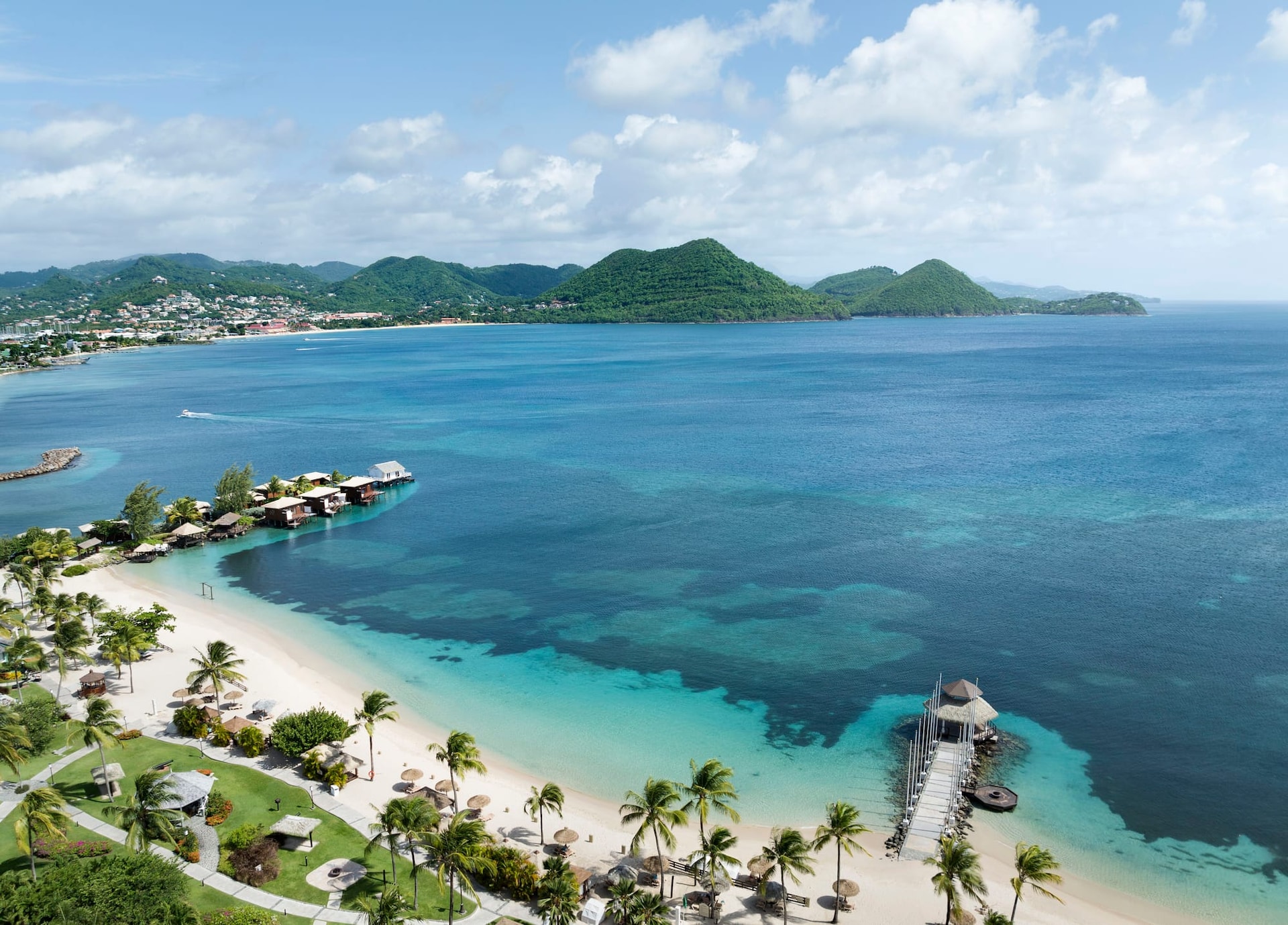
Barbados vs Saint Lucia: Which Island (and Which Sandals Resort) is Right for Your Holiday?
As you descend towards the Caribbean, you know whether you want your morning coffee looking out at green mountains that rise straight from the water, wrapped in cloud and rainforest, or at a long stretch of white sand and coastlin…
READ MORE
Read More Travel Guides
Sandals Montego Bay vs Caribbean Cay: Which Resort Should You Choose?
The first morning goes something like this. Barefoot in the warm sand, Blue Mountain coffee in hand, you watch the sun rise above the sea. At Sandals Montego Bay, a long ribbon of pale sand stretches along the shoreline. At Sandal…
READ MOREThe Top 10 Caribbean Islands with the Most All-Inclusive Resorts
At sunrise in Montego Bay, reggae drifts across the beach as the sea turns from light to deep blue under the Caribbean sun. In Punta Cana, rows of palm trees line miles of golden sand. Both destinations are famous for all-inclusiv…
READ MOREBarbados vs Saint Lucia: Which Island (and Which Sandals Resort) is Right for Your Holiday?
As you descend towards the Caribbean, you know whether you want your morning coffee looking out at green mountains that rise straight from the water, wrapped in cloud and rainforest, or at a long stretch of white sand and coastlin…
READ MORE