The Smart Traveller's Guide to the Best Months to Book an All-Inclusive Resort
Booking an all-inclusive sounds like the easy part of holiday planning. Pick a resort, pick a date, job done. Most people assume the earlier you book, the better the deal - simple. But if you’ve ever watched the exact same trip jump in price just days apart, you’ll know it doesn’t quite work like that.
The truth is, there isn’t one perfect day to book, only the right moment for you. The best timing depends on what you care about most, whether that’s locking in the lowest price, securing that oceanfront suite before it's gone, working around school holidays, or arriving when there's a quieter, more laid-back vive. In the Caribbean especially, a little calendar know-how goes a long way.
This guide breaks it all down for you, including the real timing strategies behind all-inclusive pricing, when booking early pays off (and when waiting works in your favour), and the sweet-spot shoulder weeks most people skip over. It also covers the reality of the wet season, a simple booking timeline by traveller type, and a few easy ways to catch the best deals. If you’re eyeing up a Sandals Resorts escape, this will help you line up the right resort with the right moment to hit “book”.
By the end, you won’t just be guessing at dates. You’ll know exactly when to book based on how you like to travel, what you want to spend, and the kind of Caribbean escape you’re picturing, where everything clicks into place from the moment you arrive.
Why Timing Your Booking Matters
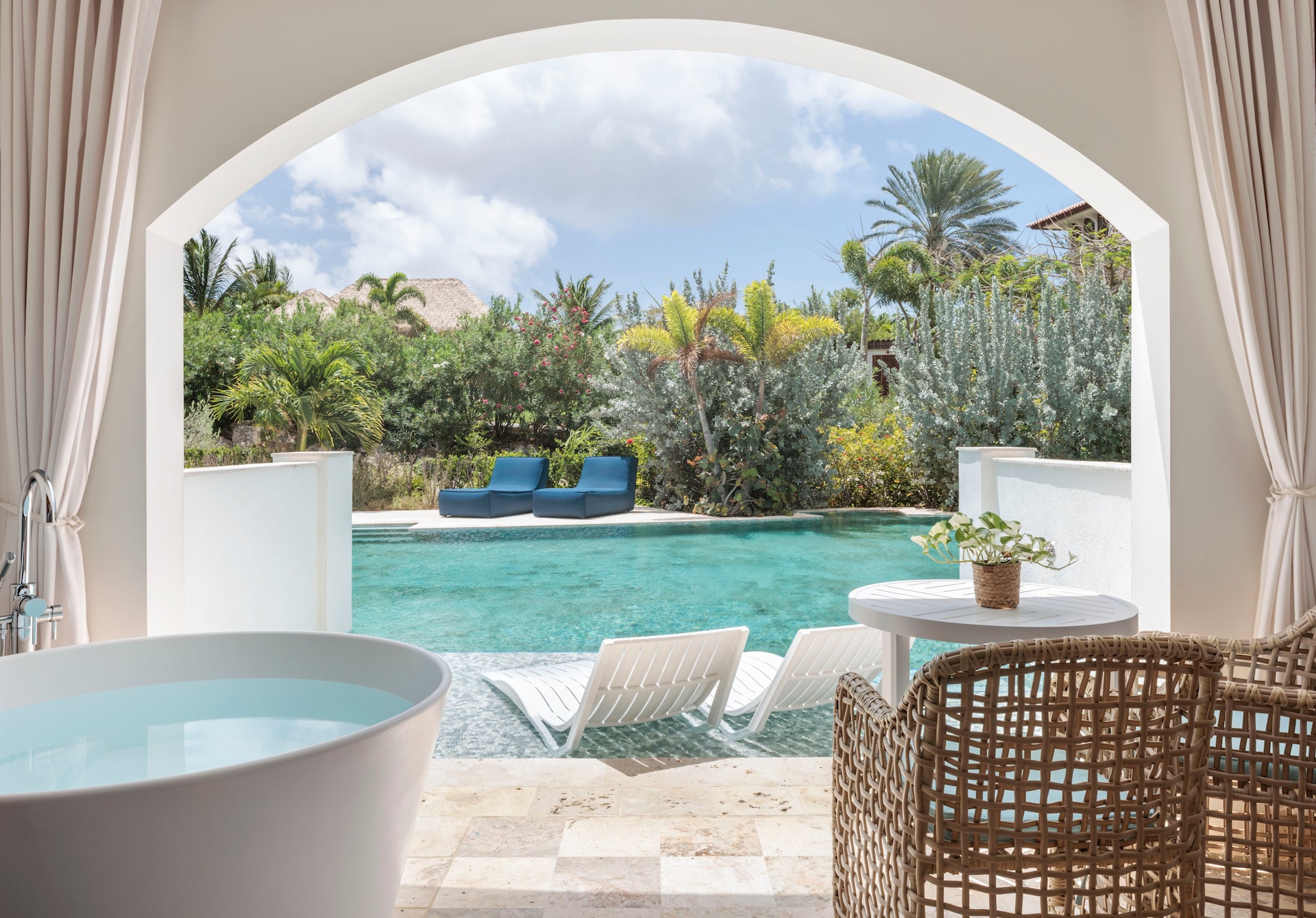
Picture: Subi Swim-up Club Level Junior Suite with Patio Tranquility Soaking Tub at Sandals Curaçao
All-inclusive pricing isn't one fixed price. Behind what looks like a single number is a mix of fixed costs (your room, your dining, your drinks, your experiences) and real-time adjustments driven by how full a resort is becoming. As rooms fill up, prices tend to climb. When availability opens, rates can drop - sometimes quietly, through limited-time discounts or added extras that tip the value in your favour. It’s less of a set price, and more one that shifts with demand.
Much of this is powered by automated pricing systems working in the background, constantly reading booking patterns, flight demand, and seasonal trends. When demand dips, often just outside peak weeks, those systems can release lower rates to keep things moving. It’s why a date that feels random on your calendar can feel like a win the second you check the price, like the timing just fell into place.
The idea of sweeping last‑minute deals has changed. Since travel picked back up post‑COVID, Caribbean favourites tend to fill earlier, especially around key windows like winter sun season and school holidays. Waiting can still work, but it’s less predictable now.
Ultimately, the 'right' time to book comes down to three things: how flexible you can be, what you’re willing to spend, and when you need to travel. Get those three working together and the timing will start to make sense. Suddenly, you’re not chasing the perfect deal, you’re catching the moment where it all lines up, and it just feels right.
The Caribbean Holiday Calendar, Month by Month
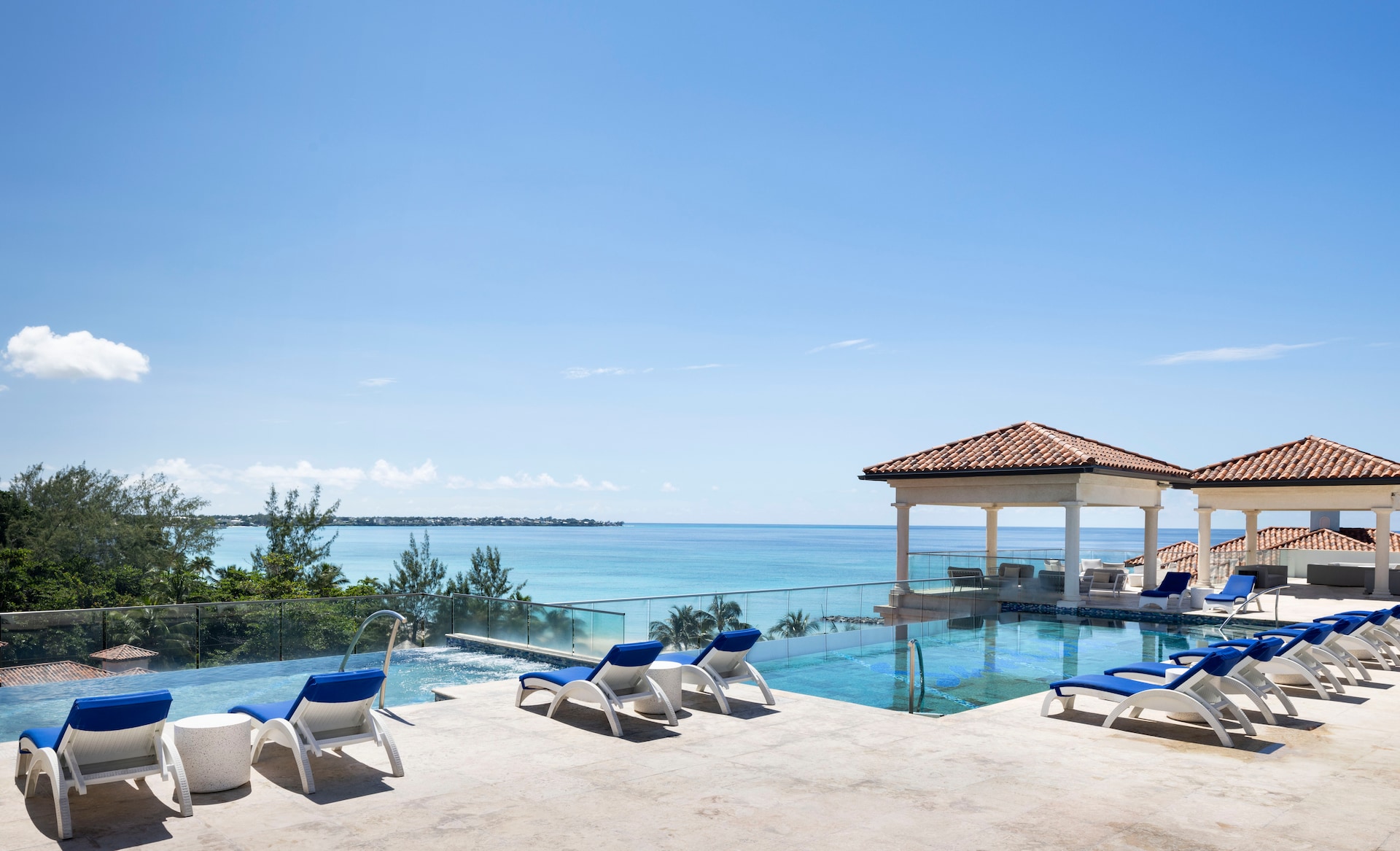
Picture: Enjoy a dip in the Sky Rooftop Terrace Pool at Sandals Royal Barbados
Across the Caribbean, the pattern starts to feel familiar once you've seen it. Winter brings the buzz (and the highest prices), late spring and November are the underrated sweet spots most people skip over, and late summer into early autumn is where the biggest value appears (if you’re open to a little unpredictability in the forecast).
It’s less about finding one perfect month, and more about recognising the mood each one carries.
January to March (Peak Winter Sun Season)
This is the Caribbean at its most in-demand. With long, bright days, blue skies, low humidity, and that steady 25°C to 29°C warmth that feels like a reset the second you step off the plane. It’s also when resorts are at their fullest, especially around New Year and the February half-term. Expect higher prices, and the best suites disappearing fast.
Best approach: book 9–12 months ahead.
April to May (Shoulder Season)
After Easter, the crowds ease, the pace softens, and yet the weather barely changes. Still sunny, still warm, hovering between 27°C and 30°C. Rates begin to dip slightly as demand decreases, making it one of those windows where value and experience meet in the middle.
Best approach: book 3–6 months ahead.
June to August (Hotter, Quieter, Often Better Value)
Summer turns up the heat, with temperatures climbing between 28°C and 32°C, and the occasional quick shower passes through. This is where pricing becomes more interesting. Not just for summer stays, but for those thinking ahead to the following winter, when advance deals often start appearing. Resorts feel a little quieter, and the energy more relaxed.
Best approach: book 3–5 months ahead, or lock in winter travel early.
September to October (the Cheapest Months)
This is typically the lowest-priced stretch of the year for Caribbean all-inclusives, because it’s peak wet season, keeping crowds away and opening up some of the best value you'll see all year. If you’re flexible and value-led, it can be an amazing time to go, with quieter resorts and better availability.
Best approach: 6–12 weeks ahead, unless you have your eye on something specific.
November (Underrated Sweet Spot)
November is when the weather usually settles, the heavier rain fades, and the pre-December rush hasn't quite begun. Prices are still lower than peak, but the overall experience feels closer to high season.
Best approach: book 2–4 months ahead.
December (Festive Peak)
Early December can still be good value without the crowds, but once Christmas and New Year arrive, demand surges, prices climb, and availability tightens fast. The atmosphere becomes lively, celebratory, and full of energy, but it comes at a cost.
Best approach: for festive dates, book 9–12 months ahead.
Booking Early vs Last Minute
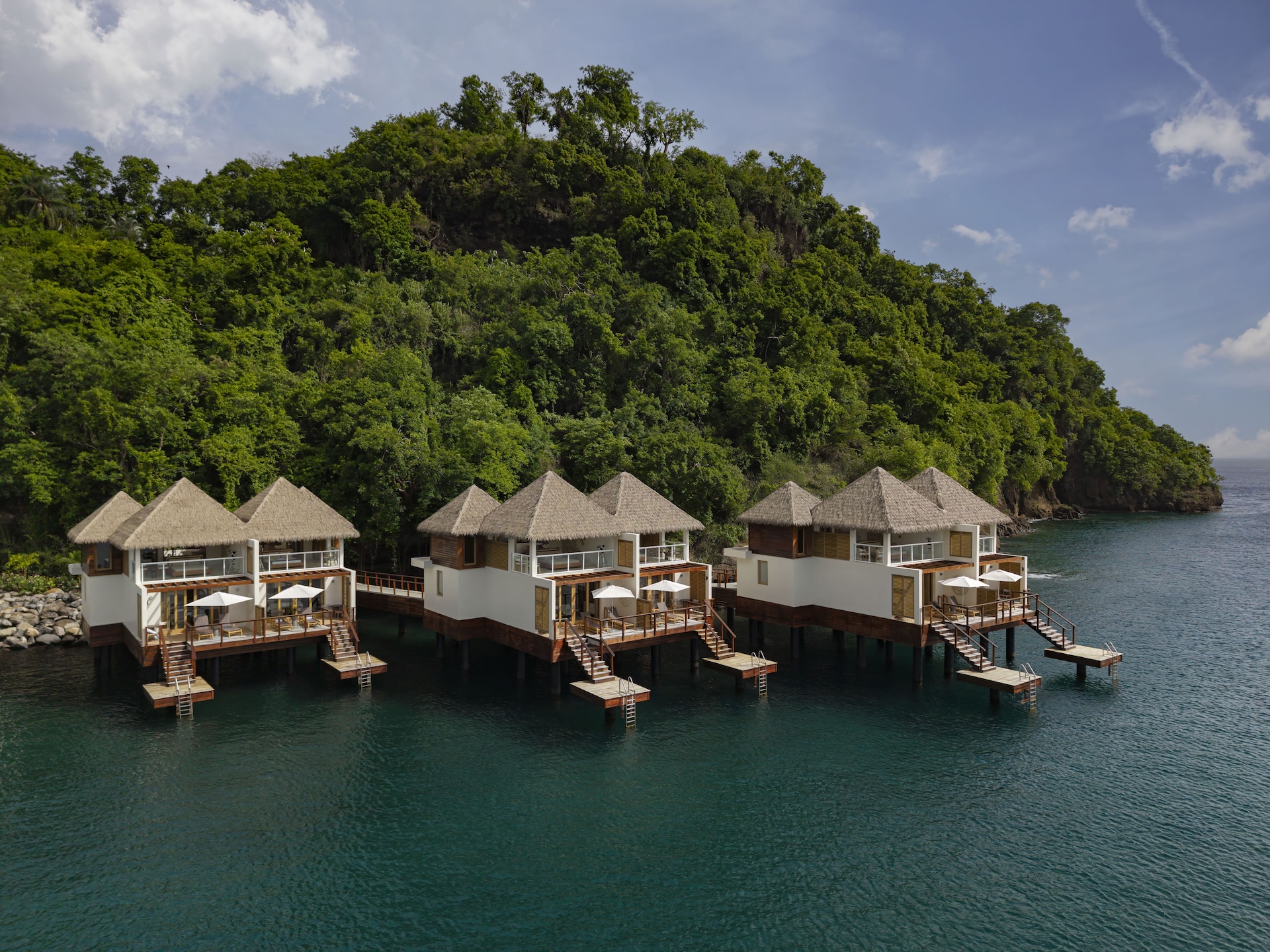
Picture: Vincy Overwater Two-Story Villa at Sandals St. Vincent
The best approach comes down to what matters most to you, whether you’re set on a specific suite, working around school holidays, or simply looking for the best value with a little flexibility. Timing isn’t just a tactic here, it shapes how your trip starts to come together, long before you arrive.
Book early if:
• You’re travelling December to April
• You’re tied to school holidays
• You want a specific room type (especially beachfront, swim‑up, or overwater)
Early booking isn’t about being organised for the sake of it. It’s about getting first pick (the rooms with the best light, the views you pictured, the exact week you had in mind) before availability tightens and prices begin to climb. The most in-demand suites always go first, and once they’re gone, they’re gone.
As a rough guide, 9 to 12 months ahead is ideal for peak-season trips. It’s also when early bird rates are most likely to appear, giving you both value and peace of mind in one decision.
It’s the difference between securing the trip you really want, and adjusting to what’s left.
Wait it out if:
• You’re flexible on dates and destination
• You’re travelling in quieter months
• You’re not fussed about room category
Waiting can still work, but it works best when you’re flexible. True last‑minute deals usually appear around 6–10 weeks before travel when resorts are filling final gaps, but flights can be pricey by then. Airlines typically release seats around 150–300 days in advance, and prices often rise as departure gets closer, which means a late hotel deal can sometimes be offset by a more expensive flight, or limited options on your preferred route.
For shoulder season and many low‑season trips, booking 3–4 months ahead is often the best balance of price, availability, and low stress.
Shoulder Season Advantage
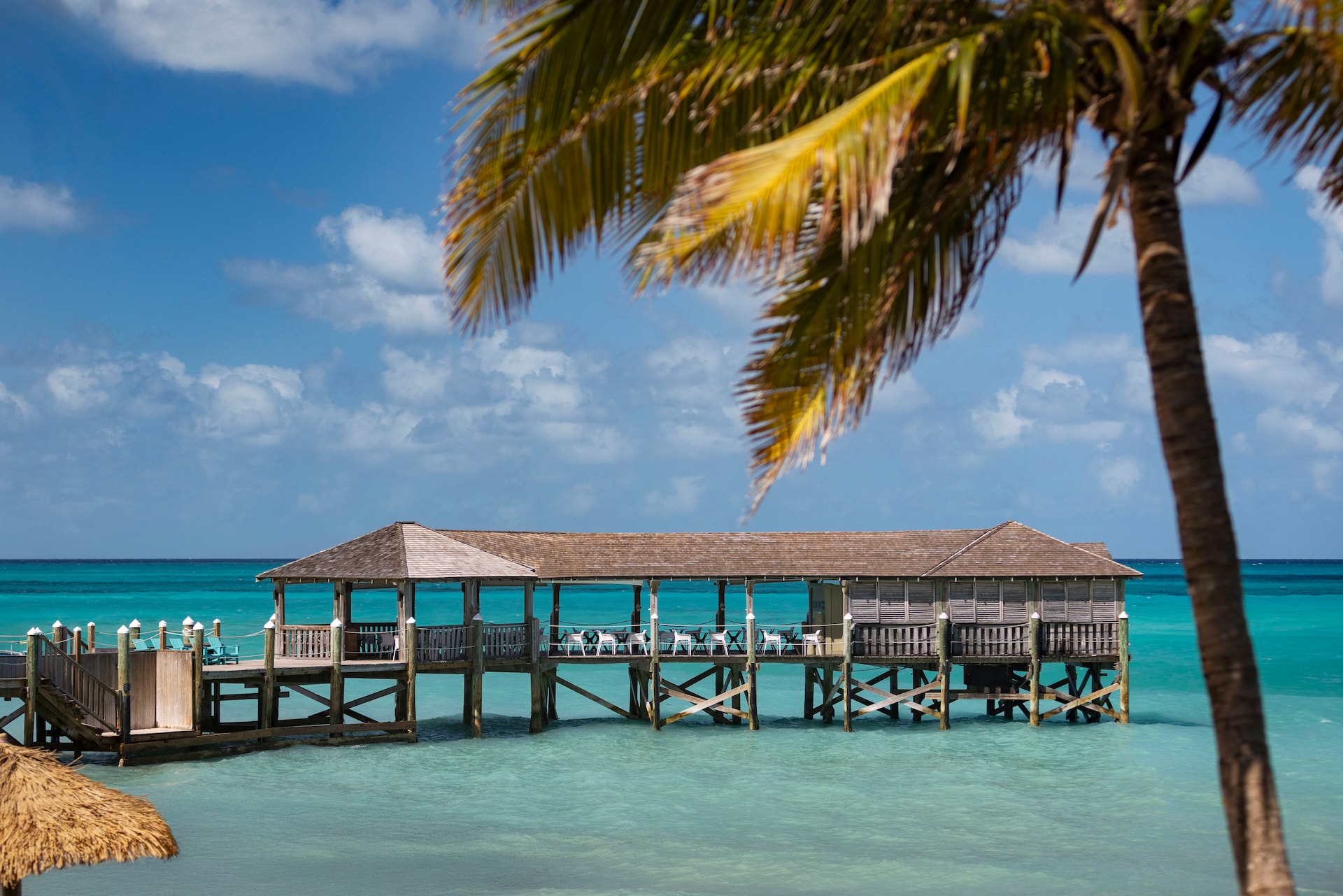
Picture: Savour a grilled meat or seafood dish in a romantic seaside setting, with panoramic ocean views surrounding at Gordon's at Sandals Bahamas Nassau
If there’s one takeaway, it’s that shoulder season is the best all‑round value. While most people focus on peak dates or chase the lowest possible prices, the real sweet spot tends to sit in between (May, early June, and late November).
These months fall just outside the busiest travel windows, but the experience doesn’t drop off. Temperatures still hover in that 27°C to 30°C range, the sea stays warm, and while you might see the occasional afternoon shower, it’s usually brief.
What really changes is the atmosphere. Resorts are noticeably calmer, it’s easier to book your first-choice restaurant, and service feels more personal and more attentive. There’s a sense of ease to it all, where you’re not competing for the best spots or planning around the crowds.
Pricing sits in that in-between range too. It's lower than the peak winter season, but without the unpredictability of the wettest months. You’re not paying festive-season rates, and you’re still getting a full, vibrant Caribbean experience in return. It’s that rare window where value, weather, and atmosphere all align, and once you’ve experienced it, it’s hard not to come back to.
Wet Season
Wet season runs from June to November, but most days still include long stretches of sunshine, with showers tending to be short, warm, and rolling through in the afternoon rather than all day.
August to October carry the highest chance of disruption, while June, July, and November are generally steadier while still offering better value. And although this period overlaps with wet season, direct hits on resort areas are relatively rare. Resorts are well-prepared, with clear processes in place to support guests if plans do need to change.
That’s where flexibility comes in. Choosing flexible booking rates where you can, and treating travel insurance as non-negotiable, gives you an added layer of reassurance.
Resorts will often offer rebooking options if needed, meaning you’re not left navigating it alone, just adjusting your timing if the weather calls for it.
You’re still getting the savings this season is known for, but with the peace of mind that everything is covered, leaving you free to focus on the moments that make the trip enjoyable.
How to Book Smarter
You don’t need to chase every deal to get good value. A few simple habits go a long way:
• Sign up to resort emails before you start browsing - this is often where early offers land first, before they’re widely promoted
• Watch key promo moments like Black Friday and Cyber Monday, when early‑booking discounts can stack with existing offers
• Compare direct bookings with packages that include flights and transfers - depending on timing, either option can come out ahead
• Use price tracking tools like Google Hotels or Kayak to get a feel for how rates move over time
• Set price alerts so you can spot dips without checking constantly
• If prices drop and your booking is flexible, ask about repricing - in some cases, you can rebook at the lower rate
Booking direct can sometimes give you more flexibility to adjust if the price shifts, while travel agents can unlock package savings or added extras. The advantage often comes down to when you book and what’s available at that exact moment.
Always compare the total cost, not just the room rate, including flights, transfers, and any added perks.
Booking by Traveller Type
Who you’re travelling as changes everything about when it makes sense to book. The same deal won’t suit everyone, and once you see where you fit, the timing becomes much clearer.
Honeymooners and Couples
If this is a once‑in‑a‑lifetime trip, or simply one you want to feel effortless from start to finish, booking early makes all the difference. The most romantic suites, from beachfront walkouts to overwater villas, are always the first to go, especially in peak season.
Aiming for 9–12 months ahead gives you the best choice, better rates, and time to shape the experience around you, from room location to special touches.
It’s the kind of planning where you'll arrive knowing every detail is already as it should be.
Families
When school holidays set the dates, flexibility shrinks. These are some of the busiest travel windows in the Caribbean, and availability tightens quickly, both for rooms and flights.
Booking 9–12 months ahead gives you more options, steadier pricing, and a smoother run-up to the trip without the last-minute pressure.
Anniversary and Milestone Trips
When the trip is marking something important, timing becomes part of the experience itself. Whether it’s a specific resort, a particular suite, or added extras like private dinners or spa experiences, these details need space to come together.
Planning well ahead gives you the freedom to choose, rather than adjust, and ensures everything feels considered rather than pieced together.
Because the moments you’re celebrating deserve to feel just as intentional as the destination.
Flexible Solo Travellers
If your dates and plans are flexible, you’re in one of the strongest positions when it comes to booking. Shoulder season and quieter months open up better rates, and last‑minute deals can work in your favour.
With fewer constraints, you can follow the value and shape the trip around what feels right in that moment.
Repeat Guests and Loyalty Members
If you’ve travelled before, the rules can shift slightly in your favour. Early‑access offers, loyalty perks, and targeted promotions often mean you’ll see deals sooner, and sometimes unlock added value others wouldn’t.
That can make booking early even more rewarding, or give you an edge when watching for price drops.
Insider Tips That Make Booking Easier
A few small shifts can make a bigger difference than you’d expect, especially once you start paying attention to when and how you book.
• Fly midweek if you can. Tuesday and Wednesday departures are often cheaper than weekends.
• Don’t ignore check-in days. Midweek arrivals can mean better availability than the classic Saturday rush.
• Always compare direct bookings with third-party platforms. Resorts sometimes offer added flexibility or perks, while external sites can surface package pricing. The best option often depends on timing.
• Set price alerts on at least two platforms (like Google Hotels or Kayak) so you can spot patterns, not just one-off prices.
• Watch the total cost. The cheapest room rate isn’t always the cheapest holiday once flights, bags, and transfers are added.
• Don’t overlook travel insurance, especially if you’re booking in the wetter months. It’s what turns a good deal into a stress-free one.
• Once you’ve booked, keep an eye out. If a promo pops up and your booking allows changes, ask about repricing.
Get these details right, and booking will feel like you’ve figured out how to make the whole trip work in your favour.
Why it's Worth Planning Ahead for Sandals Resorts
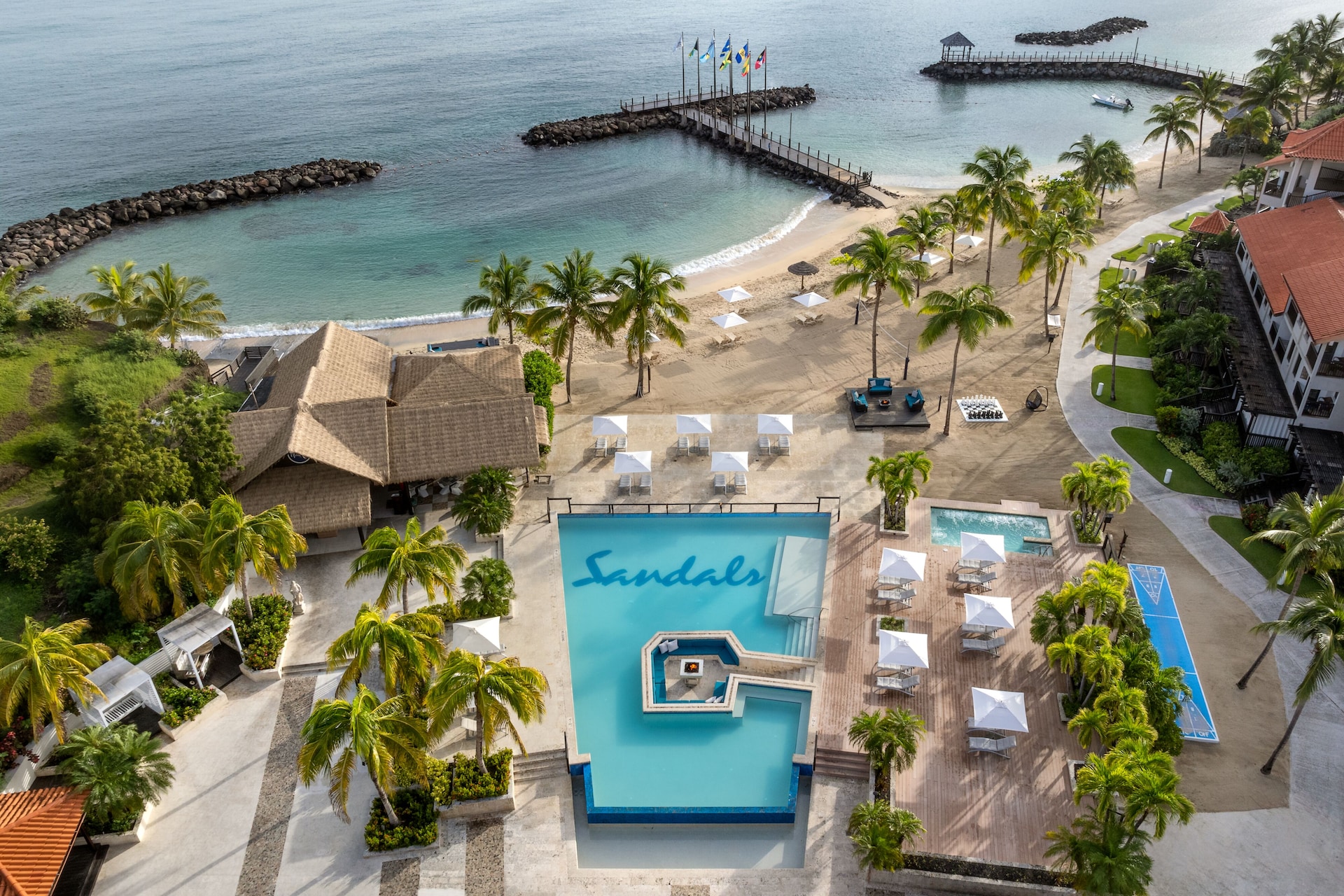
Picture: Relax by the pool with a drink in hand at Sandals Grenada
With Sandals Resorts, planning ahead pays off because the most in-demand stays don't hang around. Across the Caribbean, Sandals Resorts offers a wide mix of islands, resort styles, and standout room categories.
The variety is part of the appeal. Whether it’s beachfront suites that open straight onto the sand, swim‑up rooms that connect you to the pool, or the overwater bungalows that define a certain kind of Caribbean stay, there’s a style to match how you want to travel. The most sought‑after categories, especially those with the best views, privacy, or direct water access, are often the first to book, particularly for peak months and special occasions.
What makes the timing matter more is what’s included once you arrive. At Sandals, your stay covers dining, drinks, watersports, entertainment — the full experience without the constant decisions or add‑ons. Getting your dates right doesn’t just influence the room rate, it shapes the overall value of the entire trip.
If you’re planning winter sun, festive travel, or a milestone stay, booking early keeps everything simple and exactly how you imagined. If you’re more flexible, pairing a Sandals escape with shoulder season dates can unlock that sweet spot of great weather, fewer crowds, and better pricing.
With so many islands and styles to choose from, there isn’t one 'best' option, just the one that fits you. And once you’ve found it, set your dates, and everything falls into place, the countdown becomes the fun part.
So, When Should You Book?
If you’re travelling in peak season (December to April), book 9 to 12 months ahead and don’t overthink it. If you want the best mix of good weather, good prices, and a more relaxed resort feel, shoulder season (May, early June and late November) is the sweet spot. And if you’re properly flexible, you can sometimes do well closer in, especially in September and October, as long as you’re smart about flights and you’ve got solid travel insurance.
For Sandals Resorts, popular resorts and standout suites fill early, especially in peak season. If you’ve got a specific room or date in mind, planning ahead is almost always worth it.
Ultimately, there isn’t one perfect time to book, only the moment that lines up with how you like to travel, what you want to spend, and the experience you’re looking for.
Find that moment, and everything else starts to fall into place.
From there, it’s just a case of choosing your island, your view, and how you want each day to begin.
Frequently Asked Questions About Booking an All-Inclusive Resort
When is the cheapest time to book an all-inclusive holiday?
September and October are usually the cheapest months, as they sit in peak wet season and demand is lower. For better weather with still‑good value, May and November are often the safest bets.
How far in advance should I book an all-inclusive resort?
For peak travel between December and April, booking 9 to 12 months ahead is best. For shoulder season months like May or November, 3 to 6 months is usually plenty. If you’re travelling in quieter periods and staying flexible, 3 to 4 months can work well.
Do all-inclusive holidays get cheaper closer to departure?
Sometimes, but it’s not guaranteed. Prices may drop if a resort has unsold rooms, usually around 6 to 10 weeks out, but flights often get more expensive and room choice is limited. For busy dates, prices are more likely to rise the longer you wait.
Is it safe to go on an all-inclusive holiday during wet season?
Most trips between June and November are completely fine. The highest risk months are typically August to October. Booking flexible rates and taking travel insurance is essential if you’re travelling during this period.
Find your dates, book your Sandals Resorts stay, and lock in your Caribbean holiday at the right time, before the rooms everyone wants are gone: https://www.sandals.co.uk/specials/uk-offers/
Read More Travel Guides
Sandals Jamaica Montego Bay vs Caribbean Cay: Which Resort Should You Choose?
The first morning goes something like this. Barefoot in the warm sand, Blue Mountain coffee in hand, you watch the sun rise above the sea. At Sandals Jamaica Montego Bay, a long ribbon of pale sand stretches along the shoreline. A…
READ MORE
The British Traveller's Guide to Passport Requirements for the Various Caribbean Islands
As soon as the plane door opens, the warm, sweet scent of the Caribbean welcomes you. In Saint Lucia, the mountains rise straight from the sea and appear through low cloud. In Barbados, palm trees lean towards turquoise water that…
READ MORE
The Top 10 Caribbean Islands with the Most All-Inclusive Resorts
At sunrise in Montego Bay, reggae drifts across the beach as the sea turns from light to deep blue under the Caribbean sun. In Punta Cana, rows of palm trees line miles of golden sand. Both destinations are famous for all-inclusiv…
READ MORE
Read More Travel Guides
Sandals Jamaica Montego Bay vs Caribbean Cay: Which Resort Should You Choose?
The first morning goes something like this. Barefoot in the warm sand, Blue Mountain coffee in hand, you watch the sun rise above the sea. At Sandals Jamaica Montego Bay, a long ribbon of pale sand stretches along the shoreline. A…
READ MOREThe British Traveller's Guide to Passport Requirements for the Various Caribbean Islands
As soon as the plane door opens, the warm, sweet scent of the Caribbean welcomes you. In Saint Lucia, the mountains rise straight from the sea and appear through low cloud. In Barbados, palm trees lean towards turquoise water that…
READ MOREThe Top 10 Caribbean Islands with the Most All-Inclusive Resorts
At sunrise in Montego Bay, reggae drifts across the beach as the sea turns from light to deep blue under the Caribbean sun. In Punta Cana, rows of palm trees line miles of golden sand. Both destinations are famous for all-inclusiv…
READ MORE